Real cost of autumn leaf clearance by gardeners Malden Rushett
Autumn leaf clearance sounds simple enough until you realise how much time, equipment, and tidy-up work it can actually involve. One small front garden with a few drifts of leaves is a different job from a long drive, a lawn, borders, paths, and wet leaves packed under hedges. If you are trying to understand the real cost of autumn leaf clearance by gardeners Malden Rushett, the honest answer is that it depends on the size of the area, the thickness of the leaf fall, how often it has been left, and whether the job is just a tidy or part of a wider garden clearance.
This guide breaks the price down in plain English. You will see what drives costs up, what a fair quote should include, when leaf clearance is worth booking separately, and how to avoid paying for work you do not actually need. To be fair, that is usually where the savings are hiding.
Why Real cost of autumn leaf clearance by gardeners Malden Rushett Matters
The price of leaf clearance matters for a simple reason: autumn leaves do not just look untidy. Left too long, they can make paths slippery, smother lawns, block drains, and trap moisture around borders and decking. In a place like Malden Rushett, where many gardens have a mix of mature trees, hedging, and lawn space, a proper leaf clean-up can prevent a lot of avoidable work later.
There is also the money side. Some people assume leaf clearance is a quick sweep-up job, but if leaves are damp, compacted, or spread across several surfaces, the labour can take far longer than expected. A quote that looks cheap at first glance may not include bagging, disposal, access issues, or a final blow-and-sweep finish. That is the bit people notice later, usually with a sigh and a rake in hand.
The real cost is not only the invoice. It is the time saved, the lower risk of slips, and the reduced damage to lawns and planting beds. A neat autumn garden can also make the rest of the maintenance season easier, especially if you are already booking garden maintenance or broader gardening services.
Expert summary: The true price of leaf clearance is shaped by labour, access, waste handling, and the condition of the garden. A fair quote should explain all four clearly, not just give you a number and hope for the best.
How Real cost of autumn leaf clearance by gardeners Malden Rushett Works
Leaf clearance is usually priced as a labour-based task, sometimes with disposal included and sometimes not. A gardener or garden team will assess the amount of leaf fall, the layout of the garden, and the surfaces involved. Leaves on a flat lawn are one thing. Leaves wedged into borders, gravel, under shrubs, and across a long driveway are another story entirely.
In practice, the work often follows a simple sequence:
- Inspect the garden and identify leaf build-up areas.
- Clear leaves from lawns, patios, paths, beds, and gutters or awkward corners if agreed.
- Bag, compost, or load the green waste depending on the service arrangement.
- Do a final tidy so the space looks finished rather than half-done.
That final tidy is easy to overlook, but it makes a real difference. Wet leaves stick to paving, cling to edges, and gather where wind naturally pushes them. If the job is rushed, you end up seeing little piles left behind in the very places you walk most often. Annoying, yes. Also very common.
For many homeowners, the cost starts to make more sense when leaf clearance is grouped with other seasonal tasks such as lawn care, hedge trimming, or patio cleaning. Once a team is already on site, the visit can be more efficient than booking separate one-off jobs.
It is also worth remembering that some gardens need more than a tidy. If there is heavy tree debris, broken branches, or a large amount of seasonal waste, the job may edge toward garden clearance rather than simple leaf collection.
Key Benefits and Practical Advantages
People often focus on the cost and miss the practical upside. A good autumn leaf clearance service brings a few very real benefits that are easy to appreciate once you have lived through a couple of wet, leaf-heavy weeks.
- Safer paths and steps: wet leaves are slippery and can turn a tidy-looking surface into a hazard.
- Healthier lawns: leaving layers of leaves on grass can block light and air, which weakens the turf.
- Cleaner drainage areas: reducing leaf build-up near drains and gullies helps prevent blockages.
- Better-looking garden space: even a small clearance can make a garden feel properly maintained again.
- Less manual strain for you: raking, bagging, and moving waste is more physically demanding than it looks.
There is also a maintenance advantage that people do not always think about. When leaf clearance is done regularly through autumn, the job stays manageable. Leave it too long and it can become a heavy, muddy, half-day ordeal. The smell of wet leaves, the squelch underfoot, the endless refills of garden bags... yes, autumn gardening is picturesque until it is your Saturday.
For properties with decking, fencing, or paved areas, regular clearing can also reduce staining and surface slickness. If those areas are part of your garden, it may be sensible to combine the visit with decking services or fencing checks if you are already planning seasonal improvements.
Who This Is For and When It Makes Sense
Leaf clearance is not just for large homes with mature trees. It makes sense for a wide range of properties, especially where autumn debris becomes a regular nuisance rather than a one-off nuisance.
You are likely to benefit if you:
- have a lawn that gets buried under leaves every week in autumn;
- have paths or steps that become slippery after rain;
- have borders where leaves collect and stay damp;
- run out of time to keep on top of the garden;
- manage a rental, family home, or property that needs to look presentable;
- want a cleaner, lower-maintenance garden before winter sets in.
It also makes sense if you are already booking seasonal garden work. A one-off autumn tidy can sit neatly alongside lawn mowing or broader landscaping adjustments, especially where fallen leaves reveal bare patches, poor drainage, or borders that need reshaping.
To be fair, not every garden needs a full professional visit. If you have a tiny paved courtyard with a few leaves, a quick sweep may do the trick. But once the area spreads beyond a simple broom job, hiring help can become cheaper than losing an entire afternoon and still not finishing it properly.
Step-by-Step Guidance
If you want to estimate the real cost properly, start by looking at the job as a set of small tasks rather than one lump sum. That gives you a far better sense of whether a quote is fair.
- Measure the affected area. Note whether the leaves cover just one surface or several, such as lawn, patio, driveway, and borders.
- Check the leaf depth and condition. Dry leaves are easier to collect than soggy, compacted ones. Wet leaves take longer and often need more careful handling.
- Identify access problems. Narrow side passages, long carries to waste storage, awkward steps, or rear access all affect labour time.
- Decide what needs clearing. Some jobs only require main surfaces; others need detailed work under shrubs, along edges, and around ornaments or planters.
- Ask what is included. Disposal, bagging, final sweep-down, and multiple visits should be clear in the price.
- Compare like for like. A cheaper quote is not cheaper if it excludes waste removal or leaves a mess behind.
If you are requesting a price, it helps to be specific. Saying "I need the garden cleared" is a bit too broad. Saying "front path, rear lawn, and borders with heavy leaf fall" gives a much clearer picture. Tiny detail, big difference.
For the most transparent pricing approach, many homeowners also check the company's pricing and quotes information before booking. That is usually where you can see what the quote process covers and how estimates are handled.
Expert Tips for Better Results
Here is the part where the work gets easier, and often cheaper, if you plan it well. A few practical choices can reduce the amount of labour needed and improve the final result.
- Book earlier rather than later. If leaves are left to become wet and compacted, they take longer to clear.
- Combine jobs where it makes sense. Leaf clearance is often more efficient when paired with garden maintenance or lawn care.
- Keep surfaces relatively clear beforehand. Move lightweight furniture, toys, plant pots, and hose reels if you can safely do so.
- Ask about waste handling upfront. Green waste disposal can change the overall price, so do not assume it is included.
- Think in stages. A first clearance in mid-autumn and a second one later on can be more manageable than one massive winter job.
One more thing. If your garden borders a lot of mature planting or trees, you may find that leaf clearance works best as part of a wider seasonal care plan. In those cases, a service like tree surgery or tree lopping and removal may be relevant later, especially if excess shade or overhanging branches are feeding the leaf problem every year.
And yes, sometimes the cheapest leaf clearance is the one you do not have to repeat four times because the source of the mess has been ignored. Bit blunt, but true.
Common Mistakes to Avoid
People make the same few mistakes with autumn leaf clearance, and they tend to show up in the bill or the result. None of these are disastrous, but they can make the job more expensive than it needs to be.
- Booking on price alone. The lowest quote may leave out waste removal, edging, or a proper finish.
- Waiting until the leaves are soaked through. Once they are wet and matted, the job takes longer and feels heavier.
- Assuming all surfaces are the same. A lawn, gravel border, and patio each need different handling.
- Overlooking access. If the team has to carry waste a long distance, that should be reflected in the quote.
- Not asking how waste is removed. Some services bag waste for composting; others remove it from site. The difference matters.
A softer mistake, but still common, is treating one autumn visit as enough for the whole season. In many gardens, leaves keep falling. The tree does not really care that you have already done the tidy-up once. It will just carry on. Unfortunately.
If your garden is also due for heavier tidying, you may be looking beyond simple leaf clearance and into broader gardening services or a more comprehensive garden clearance.
Tools, Resources and Recommendations
You do not need a shed full of fancy equipment to deal with autumn leaves, but the right tools make a difference. Professional gardeners typically use a mix of hand tools and powered equipment depending on the garden layout and how much leaf fall there is.
- Rakes: useful for lawns and borders, especially where precision matters.
- Leaf blowers or vacuums: efficient for paths, patios, and larger open areas.
- Collection bags or tubs: help keep the job tidy and reduce repeated trips.
- Tarps or sheets: handy for gathering large volumes quickly.
- Gloves and grip footwear: sensible for wet, chilly conditions in late autumn.
If you are comparing quotes, ask whether the gardener brings their own equipment, whether the waste is taken away, and whether they can deal with mixed garden debris, not just loose leaves. That is often where the real value sits.
For homeowners who want a single contractor to handle several exterior tasks, it can also be useful to look at related services such as patio cleaning if slippery paving is part of the seasonal problem. Clean leaves on dirty paving still leave you with a dirty finish, which rather defeats the point.
Law, Compliance, Standards, or Best Practice
Autumn leaf clearance is not usually a heavily regulated service in the way that some trades are, but there are still sensible standards to follow. In the UK, garden waste should be handled responsibly, and any contractor should be clear about how waste is collected, stored, transported, and disposed of. If green waste is being removed from site, it should be dealt with in a way that is lawful and practical.
Best practice also means working safely. Wet leaves, hidden uneven ground, damp steps, and slippery paving can all create avoidable hazards. A careful gardener should use suitable footwear, sensible manual handling, and appropriate equipment for the job. If a quote does not mention basic safety or insurance, that is worth questioning. Quietly, but firmly.
When booking any garden work, it is reasonable to expect clear terms, transparent pricing, and a proper explanation of what happens if the scope changes on site. For reassurance on those wider service standards, it can help to review health and safety policy, insurance and safety, and terms and conditions before you agree to anything.
If sustainability matters to you, ask how the waste is handled. Some customers prefer leaf matter to be composted where possible, and that is a perfectly reasonable question. The relevant approach to green waste can be explored through recycling and sustainability.
Options, Methods, or Comparison Table
Not every autumn garden needs the same approach. The table below gives a practical comparison of the main options people consider when managing leaf fall.
| Option | Best for | Typical effort | Cost impact | Notes |
|---|---|---|---|---|
| DIY rake and bag | Small gardens with light leaf fall | High for the homeowner | Lowest cash outlay | Good for quick jobs, but time-consuming if leaves keep returning. |
| Gardener leaf clearance only | Medium gardens or regular autumn tidy-ups | Moderate | Mid-range | Often the best balance of value, speed, and finish. |
| Leaf clearance plus garden maintenance | Gardens needing seasonal upkeep | Lower for the homeowner | Higher than one-off clearance | Can be more efficient overall if several tasks are due anyway. |
| Full garden clearance | Overgrown or heavily cluttered spaces | Lowest for the homeowner | Highest | Best where leaf fall is only one part of a bigger tidy-up. |
As a rule of thumb, the more leaf clearance spills into other garden tasks, the more sense it makes to compare the job against a broader maintenance package rather than a standalone one-off visit.
Case Study or Real-World Example
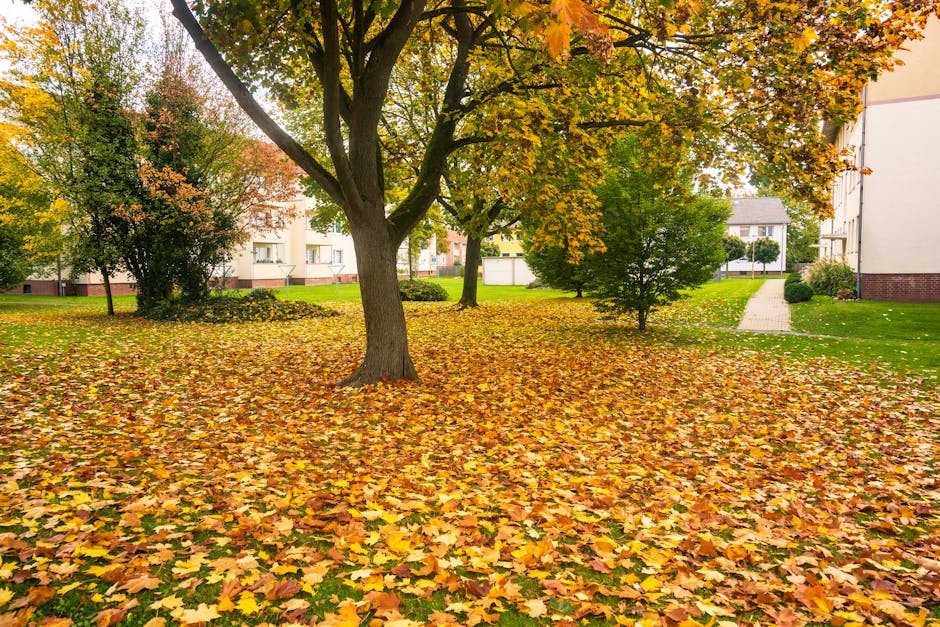
Take a fairly typical autumn garden in Malden Rushett: a medium-sized rear lawn, a paved path down the side, a few borders, and a couple of mature trees. The first week of leaf fall looks manageable. By the third wet spell, the lawn is covered again, the path is slick, and the border leaves have started to mat together under the shrubs.
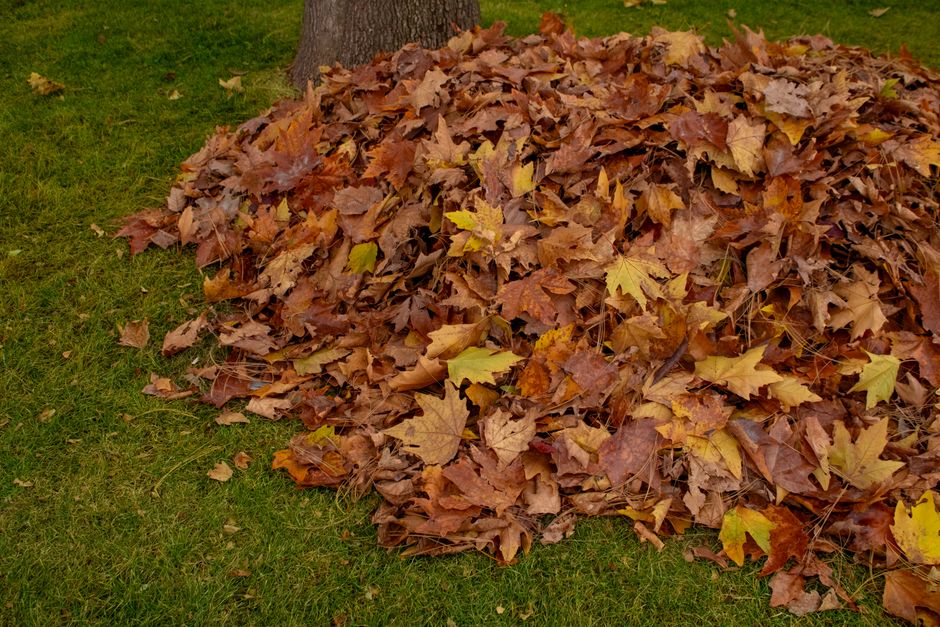
At that point, a homeowner might think they only need a quick tidy. In reality, the job has become more involved. The gardener has to clear the lawn carefully so the grass can breathe, sweep the path properly, collect leaves from awkward corners, and remove the waste without leaving bags stacked by the gate. Not huge drama, but it adds up.
The practical lesson is simple: the real cost is tied to how many times the same leaves have been allowed to build up. A small, regular clearance is usually less disruptive and often more economical than one big rescue mission in late autumn. You know the kind. Standing there in a coat, staring at a mountain of damp leaves and wondering where the garden went.
In situations like this, the customer often ends up choosing a seasonal maintenance plan or pairing the work with lawn care so the garden stays easier to manage for the rest of the season.
Practical Checklist
Use this checklist before you request a quote or book a visit. It will help you describe the job properly and compare offers fairly.
- List the areas affected: lawn, patio, path, driveway, borders, or all of the above.
- Check whether the leaves are dry, damp, or heavily compacted.
- Note any access issues such as side gates, steps, narrow passages, or long carrying distances.
- Decide whether you want a simple clearance or a wider seasonal tidy.
- Ask if bagging and waste removal are included.
- Confirm whether the work is one-off or likely to need repeat visits.
- Ask what equipment will be used and whether the team brings their own tools.
- Check if the gardener can also help with related tasks like hedges, lawns, or patios.
- Review any terms around cancellations, rescheduling, or extra work.
- Make sure the final price is clear before work starts.
If you want a trustworthy starting point for a seasonal job, looking at about us can also help you understand the team's approach and what kind of service standard to expect.
Conclusion
The real cost of autumn leaf clearance by gardeners Malden Rushett is never just about the rake-and-go moment. It is about labour time, access, waste handling, garden size, and how much leaf fall has been left to build up. Once you look at it that way, the quote makes far more sense. Sometimes it is a quick tidy. Sometimes it is a proper seasonal reset.
The best value usually comes from clarity: clear scope, clear pricing, and a service that actually leaves the garden tidy, not just "mostly better". If you are already thinking about wider seasonal care, leaf clearance can sit neatly alongside maintenance, lawn work, patio cleaning, or even light landscaping. A little planning now saves a lot of muddy effort later.
Get a free quote today and see how much you can save.
And if you do nothing else this season, at least clear the paths before the next rain. Your future self will thank you. Quietly, but definitely.
Frequently Asked Questions
How much does autumn leaf clearance usually cost in Malden Rushett?
The cost depends on garden size, how much leaf fall has built up, and whether waste removal is included. A small tidy is naturally cheaper than a full seasonal clearance across lawn, paths, and borders.
Is leaf clearance cheaper if I book it with other garden work?
Often, yes. If a gardener is already on site for maintenance, lawn care, or hedge trimming, it can be more efficient than arranging separate visits for each job.
What makes leaf clearance more expensive?
Damp leaves, difficult access, large gardens, multiple surfaces, and heavy waste volumes all increase the time needed. Disposal can also affect the final price.
Do gardeners take the leaves away?
Sometimes they do, sometimes they only bag them. It is best to ask before booking so you know whether removal from site is included in the quote.
Should I wait until all the leaves have fallen before booking?
Usually not. If leaves are building up quickly, an earlier clearance can prevent the job from becoming heavier, wetter, and more expensive later on.
Can leaf clearance help my lawn?
Yes. Removing leaves from grass helps light and air reach the turf and reduces the chance of the lawn getting smothered or patchy.
Is DIY leaf clearance worth it?
For a very small garden, it can be. But once the area becomes larger or the leaves are wet and compacted, professional help can save a lot of time and effort.
What should be included in a fair quote?
A fair quote should explain the areas covered, whether waste removal is included, and whether the work is a one-off tidy or part of a broader maintenance visit.
Does autumn leaf clearance count as garden clearance?
Not always. Leaf clearance is usually a narrower seasonal task, while garden clearance tends to cover more extensive tidy-up work, overgrowth, and mixed debris.
How often should leaves be cleared in autumn?
That depends on the garden and the trees nearby. Some properties need weekly attention during peak fall, while others can manage with a single visit every couple of weeks.
Are there safety concerns with wet leaves?
Yes. Wet leaves can make paths, steps, and paved areas slippery, so timely clearance is a sensible precaution as well as a cosmetic one.
What if my garden has decking or paving as well as leaves?
Then it may be worth asking about related services such as decking or patio cleaning, because leaves often leave surfaces slick or stained if they are left too long.
How do I know if I need a one-off visit or ongoing maintenance?
If leaves keep returning and the garden is becoming difficult to manage through autumn, ongoing maintenance is usually better value than repeated emergency clear-ups.