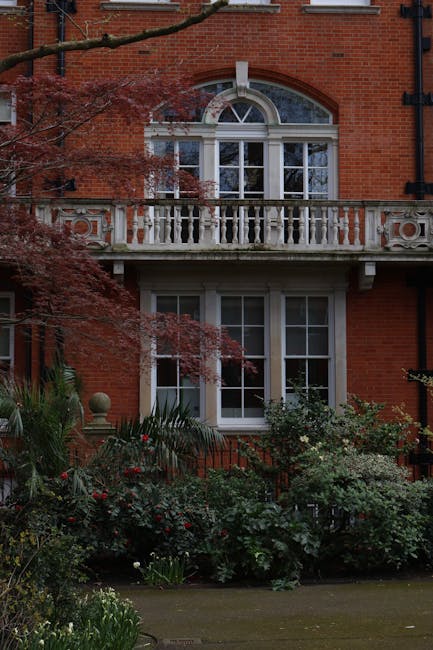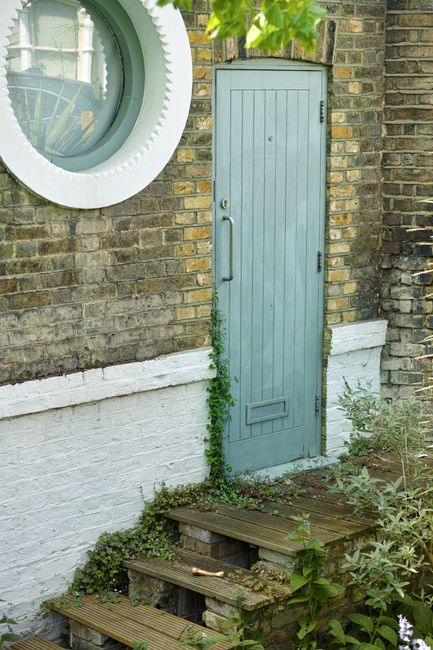
Hook Road front garden designers and gardeners Malden Rushett: practical ideas for a smarter, more welcoming frontage
If your front garden feels a bit tired, cramped, or simply not "finished," you are in the right place. Hook Road front garden designers and gardeners Malden Rushett can help turn an awkward strip of soil, a weather-beaten lawn edge, or a front drive border into something tidy, useful, and genuinely lovely to come home to. The best front gardens do more than look pretty. They frame the house, soften hard lines, improve privacy, and make day-to-day life easier. In a place like Malden Rushett, where kerb appeal matters but so does practicality, that balance is everything.
This guide walks through how front garden design actually works, what benefits you can expect, what to avoid, and how to plan a result that feels natural rather than overdone. We will also look at plant choices, maintenance, weather resilience, and the small decisions that often make the biggest difference. Truth be told, front gardens are often neglected because they seem "too small to matter." They don't. Not even close.
Why Hook Road front garden designers and gardeners Malden Rushett matters
A front garden has a job to do before anyone even steps through the door. It should make the house feel cared for, create a clear entrance, and handle the realities of British weather without becoming a maintenance burden. That is why design and gardening need to work together. A good layout without planting can feel stark. Beautiful planting without structure can feel messy. You really want both.
For properties around Hook Road and the wider Malden Rushett area, front gardens often need to cope with mixed conditions: wind exposure, shade from fences or nearby buildings, compacted soil, and limited space between paths, drives, and boundary lines. A thoughtful designer looks at all of that before recommending anything. In our experience, that first look is where the value starts. You notice the slope, the drainage, the sightlines from the road, and where people naturally walk. Those little observations shape a much better result.
Front gardens also affect how a home feels to live in. When they are poorly arranged, you may end up with cluttered bins, awkward paths, plants that block windows, or a lawn that needs constant care but gives very little back. On the other hand, a well-planned front space can be low-maintenance, welcoming, and even a bit calming to look at first thing in the morning. Not a bad upgrade for a space you pass every day.
If you want broader support beyond the front boundary, you can also explore the wider gardening services and the practical help available through garden maintenance when the work needs ongoing attention rather than a one-off refresh.
How Hook Road front garden designers and gardeners Malden Rushett works
The process usually starts with a site review. That sounds formal, but in practice it is often a careful walk-through with a few pointed questions. What do you want the garden to do? Do you want more privacy, better access, a softer look, or just something neat that stays tidy with minimal effort? Are you after planting only, or do you need structural changes too?
From there, the work tends to fall into three overlapping parts:
- Design - deciding the layout, style, planting structure, and focal points.
- Gardening - preparing soil, planting, pruning, mulching, edging, and keeping everything healthy.
- Maintenance planning - choosing features that you can realistically keep on top of, season after season.
A front garden designer may be thinking in terms of symmetry, sightlines, proportion, and how the space reads from the road. A gardener is usually thinking in terms of plant health, seasonal growth, soil improvement, and practical upkeep. The best outcomes happen when those two mindsets are combined. Otherwise you get a lovely sketch that is hard to live with, or a healthy garden that never quite looks intentional.
There is also a timing element. Some changes are immediate, like clearing overgrowth, reshaping beds, or installing clean edging. Other improvements take time, especially when plants need to establish. If you want quick visual impact, a designer might pair evergreen structure with fast-growing screening, something like the ideas discussed in quick hedges for privacy. If the space is shady or narrow, you may need a very different plant mix altogether. Front gardens are a bit like shoes: the wrong size looks fine for a minute and then becomes annoying very quickly.
Key benefits and practical advantages
Good front garden work is not just about appearance. Yes, a neat frontage looks better. But the real value is often practical. Here are the benefits that matter most to homeowners.
1. Better kerb appeal without the fuss
A well-designed front garden makes the whole property feel cared for. That helps whether you are staying put or planning to sell later. You do not need a show garden. Often a few clean lines, healthy planting, and a sensible surface treatment are enough.
2. Less maintenance over time
One of the biggest mistakes is designing a front garden around what looks nice in spring, then discovering it is a headache by July. Smart planting choices can reduce mowing, weeding, deadheading, and constant rescue work. If you want ideas that are attractive and realistic, the article on budget low-maintenance garden ideas is a useful starting point.
3. Better privacy and screening
Front gardens can soften views into windows, hide bin areas, and give the entrance more dignity. Screening does not have to mean a tall, rigid fence. Often layered planting or carefully chosen shrubs feel much friendlier. Evergreen climbers, compact hedging, and ground cover can all help.
4. Clearer access and safer movement
A front garden should make arriving and leaving feel easy. That means no awkward trip hazards, no slippery stepping stones, and no plants leaning into the path where people naturally walk. This matters more in wet weather, and yes, UK wet weather does rather like showing up uninvited.
5. More year-round interest
Front gardens are seen in all seasons, not just summer. That means structure matters. Evergreen shrubs, winter stems, tidy topiary, and bark mulch can keep things looking purposeful even in the dull months. If you are thinking about weather resilience, you may also find the guidance on shielding gardens from weather threats especially helpful.
| Design goal | Best approach | Why it works |
|---|---|---|
| Low maintenance | Evergreen structure, mulch, limited bed sizes | Reduces weekly upkeep and keeps the frontage tidy |
| Privacy | Layered shrubs, hedges, climbers, and boundary planting | Softens views without making the entrance feel closed in |
| Modern look | Simple paving, repetition, restrained planting palette | Creates a clean, calm appearance |
| Family-friendly front space | Clear paths, durable planting, safe surfaces | Supports everyday use with fewer hazards |
Who this is for and when it makes sense
This kind of service makes sense for a wide range of homeowners, but some situations benefit more than others.
- New homeowners who want the front of the house to feel finished rather than temporary.
- Busy households that need a tidy, reliable front garden without constant upkeep.
- Homes with poor first impressions where the frontage feels dark, sparse, or unbalanced.
- Properties with privacy issues where front windows or doorways feel exposed.
- Gardeners stuck with a difficult layout such as a narrow strip, shallow bed, or sloping entrance.
- People preparing to sell who want the frontage to support overall value and presentation.
It also makes sense if you are tired of piecemeal fixes. A lot of front gardens become a collection of random choices: a couple of shrubs here, some stones there, a bit of lawn that never really thrives. Before long it looks accidental. A good designer helps you stop collecting features and start shaping a coherent space.
If you are unsure whether the front garden needs a full redesign or just a sharper routine, compare the condition of the space in midsummer and again after winter. If it still looks disjointed in both seasons, redesign is probably the smarter move. If it only needs tidying and a few planting corrections, targeted maintenance may be enough.
Step-by-step guidance
Here is a practical way to approach a front garden project without overcomplicating it.
- Start with a clear brief. Decide what matters most: privacy, low maintenance, better shape, or a stronger entrance.
- Measure the real space. Note width, depth, paving, drive edges, wall heights, shade levels, and where water tends to sit after rain.
- Remove the clutter first. Overgrown shrubs, dead plants, old edging, and weak turf can hide the bones of the garden.
- Set the hard landscaping. Path width, borders, steps, edging, and any fence lines should be sorted before planting begins.
- Choose structure plants. These are the evergreen or architectural plants that hold the garden together through the seasons.
- Add softer planting layers. Use smaller plants for texture, colour, and seasonal change.
- Plan for access and growth. Make sure plants will not spill into paths, cover windows, or block doors as they mature.
- Finish with soil care and mulch. Healthy soil and a mulch layer make a remarkable difference. Really, they do.
- Agree a maintenance rhythm. Decide what needs monthly, seasonal, and annual care so the garden stays in good shape.
If your frontage includes a hedge line, pruning and shaping should be planned into the layout. Many gardens look better after one careful trim than after a whole day of random cutting. For shape advice and a more refined finish, see hedge artistry and shaping techniques, and for direct support there is also hedge trimming in Malden Rushett.
Where planting is limited, a mix of containers and vertical features can create lift without taking up too much ground. The note on vertical gardening is useful here, especially for narrow front plots or entrance areas that need height without bulk.
Expert tips for better results
These are the small decisions that often separate a decent front garden from a really good one.
Use repetition, not random variety
One of the most common layout mistakes is trying to include too many different plants. A repeated palette looks calm and more expensive, even on a modest budget. Three strong plant types usually beat twelve mixed ones. It sounds simple because it is simple.
Keep the entrance visible
Visitors should know where to go. That means avoiding planting that swallows the front door or makes the path feel like a maze. A front garden should welcome people in, not make them second-guess the route.
Match plant scale to the house
A compact terrace usually needs a lighter touch than a larger detached frontage. Oversized shrubs can bully the space, while tiny bedding plants may disappear completely. Scale is one of those things you only notice when it is wrong.
Think about winter first
Summer beauty is easy. Winter structure is the real test. Evergreen hedging, bark, ornamental grasses, and well-placed shrubs keep the front garden from collapsing into a muddy memory in January. If frost, wind, or cold snaps are a concern, the guide on winter protection hacks for garden plants is worth a read.
Use ground cover to quieten awkward gaps
Ground cover plants are brilliant where weeds keep appearing or where bare soil looks unfinished. They are especially useful around the edges of beds, along paths, and beneath shrubs. For inspiration, have a look at ground cover plants for UK gardens. The right one can save a lot of weeding. And a lot of sighing.
Choose plants that suit the light, not just the look
A plant that looks perfect in a brochure may sulk in your actual front garden. Shade, reflected heat from paving, wind exposure, and dry soil all matter. The article on evergreen climbers for shady corners is a good example of matching plant choice to real conditions.
Common mistakes to avoid
Most front garden problems are not dramatic. They are just a collection of small oversights that build up.
- Choosing plants for a catalogue look, not local conditions.
- Ignoring how big plants will get in two or three years.
- Using too much lawn in a space that does not suit mowing.
- Blocking windows, paths, bins, or doorways with planting.
- Leaving soil bare, which invites weeds and looks unfinished.
- Forgetting drainage and getting surprised by puddling after rain.
- Mixing too many styles at once - formal, wild, tropical, rustic, all in one go.
There is also a practical mistake that people make with confidence: choosing high-maintenance plants because they look easy. Not the same thing at all. Some plants are easy to buy and difficult to live with. Others are a bit plain at first but repay you every month afterwards.
For example, if you want a wildlife-friendly or less manicured style at the front, it helps to understand how "wild growth" can be shaped rather than simply left alone. The piece on harnessing the potential of wild growth offers a useful mindset: natural does not have to mean untidy.
Tools, resources and recommendations
You do not need a shed full of specialist kit to improve a front garden, but you do need the right basics. A tidy result comes from repeatable, simple work rather than heroic weekend labour. Let's be honest, nobody wants to spend every other Saturday wrestling with brambles.
- Sharp hand tools for edging, pruning, and small corrections.
- Good quality shears or secateurs for compact shaping and deadheading.
- Weed control tools for small, regular maintenance rather than large seasonal battles.
- Mulch or compost to protect soil and reduce evaporation.
- Simple measuring tools for spacing, bed layout, and path planning.
- Gloves and basic protective gear for comfort and safety.
If you are starting from scratch, the guide to basic gardening essentials for novices is a sensible support piece. For more seasonal resilience, the article on weather threat protection is also useful.
For inspiration on keeping costs sensible and results practical, it can help to think in layers: first structure, then planting, then finishing details. A good gardener will often prioritise soil improvement and boundary shape before suggesting anything decorative. That order matters more than people think.
Law, compliance, standards, or best practice
Front garden work in the UK is usually straightforward, but there are still sensible checks to keep in mind. If the work affects shared boundaries, drives, access routes, drainage, or neighbouring properties, it is wise to confirm ownership and avoid assumptions. That is not being cautious for the sake of it; it simply prevents disputes later.
Where trees, hedges, or boundary vegetation are involved, there may be local considerations around height, visibility, root spread, or wildlife nesting periods. The exact rules can vary, so a careful approach is better than a one-size-fits-all answer. A good gardener will usually work to current best practice and avoid damaging plant health or nearby structures.
Safety should also be part of the brief. If pruning involves ladders, power tools, or awkward access, it is sensible to look at the provider's safety procedures and insurance arrangements. You can review the site's approach through insurance and safety and health and safety policy. For terms around bookings and expectations, there is also terms and conditions.
Accessibility matters too. A front garden should not create unnecessary obstacles for visitors, delivery drivers, or anyone with mobility needs. If steps, narrow paths, or uneven surfaces are present, design choices should make movement easier rather than harder. Best practice, plain and simple, is to make the entrance feel safe, obvious, and manageable in all weather.
Options, methods, or comparison table
When planning a front garden, it helps to compare the most common approaches before deciding what suits your property and lifestyle.
| Approach | Best for | Pros | Trade-offs |
|---|---|---|---|
| Formal planting | Neat, structured frontages | Clean lines, strong kerb appeal, easy to read from the road | Can feel rigid if overdone |
| Soft cottage-style planting | Homes that suit a warmer, more relaxed feel | Friendly look, seasonal charm, good colour range | Needs careful control to avoid sprawl |
| Low-maintenance design | Busy households or rental properties | Less upkeep, fewer weeds, simpler routine | Can look plain unless well layered |
| Privacy-led layout | Homes exposed to the road or footfall | More seclusion, softer sightlines, improved comfort | Needs careful height balance near entrances |
| Container-led frontage | Small or paved front areas | Flexible, tidy, easy to refresh seasonally | Requires watering and occasional replacement |
If the front garden is especially small, containers can be a smart way to add colour without overcomplicating the ground plane. There is a helpful overview of container gardening ideas if you want to use pots well rather than just lining them up and hoping for the best.
For better function in family homes, a few design ideas from safe and vibrant kids' gardens can be adapted to the front too - especially where visibility, movement, and simple maintenance matter.
Case study or real-world example
Picture a modest front garden on a road-facing home in Malden Rushett. The space has a thin lawn patch, two tired shrubs, a cracked edge to the path, and a hedge that has grown taller than the windows like it has taken the whole thing personally.
The first step is not planting. It is stripping the space back. The hedge is reshaped, the dead material removed, and the border line cleaned up. Then the design gets simpler: a narrow, well-defined bed along the frontage, one evergreen structure plant near the corner, a lower flowering layer for seasonal interest, and mulch to finish. The lawn is either reduced to a small strip or replaced with a harder-wearing surface if mowing is not realistic.
Once that is done, the whole house feels different from the pavement. The entrance becomes obvious. The windows breathe again. The front door does not disappear behind a shaggy wall of foliage. And the garden, which once felt like a chore, now feels like part of the home.
This kind of transformation does not always need a grand budget. What it does need is restraint. A good eye. A willingness to remove more than you add. Sometimes that is the trickiest bit, oddly enough.
For homeowners who want a sharper boundary or more privacy as part of that same project, fencing, hedge shaping, and structural planting often work well together. Related services such as fencing, garden maintenance, and lawn care can support the longer-term finish.
Practical checklist
Use this checklist before you start, or before you approve a design. It keeps the project grounded in reality.
- Do I know what I want the front garden to do first: privacy, beauty, access, or low maintenance?
- Have I measured the space properly, including paths, drive edges, and window lines?
- Do I understand how much sun, shade, wind, and drainage the garden actually gets?
- Have I removed tired, overgrown, or unhealthy material before adding anything new?
- Are my main plants suited to the site, not just attractive in photos?
- Will the design stay neat in winter, not only in summer?
- Is access to the door, bins, and paths clear and safe?
- Have I planned a realistic maintenance rhythm?
- Have I checked whether boundaries, trees, or shared features need extra care?
- Do I have a simple way to keep weeds and moss under control?
For a more garden-wide approach to upkeep, you may also want to look at patio cleaning if paved frontage or entrance paths are part of the picture. Clean hard surfaces can make planting look better straight away.
Get a free quote today and see how much you can save.
Conclusion
Good front garden design is not about making a small space overcomplicated. It is about making it work beautifully, season after season, without turning it into a second job. For Hook Road and the wider Malden Rushett area, that often means combining practical layout work, sensible planting, and a maintenance plan you can actually live with.
The best results tend to come from clear thinking: define the purpose, simplify the structure, choose plants that suit the site, and keep an eye on long-term growth. Do that well, and your front garden stops being a patch you walk past. It becomes part of the welcome home.
And honestly, that little change in feeling matters more than people expect.
Frequently Asked Questions
What do front garden designers and gardeners actually do?
They plan the layout, choose planting that suits the space, improve soil and structure, and keep the garden healthy and tidy. In practical terms, they help a front garden look intentional instead of improvised.
Is a front garden redesign worth it for a small property?
Usually, yes. Small front gardens are seen every day, so even modest improvements can make a noticeable difference. Clear borders, compact planting, and neat access often have a bigger impact than people expect.
How do I make a front garden low maintenance?
Use fewer plant types, choose evergreen structure, mulch bare soil, reduce lawn where mowing is awkward, and avoid plants that need constant cutting back. Keeping the design simple is often the real shortcut.
What plants work best in a front garden in Malden Rushett?
That depends on sunlight, wind, drainage, and how much space you have. In many cases, compact shrubs, evergreen structure plants, climbers, and ground cover are useful because they stay tidy and give year-round form.
Can front gardens provide privacy without looking closed in?
Yes. Layered planting, modest hedging, and well-placed climbers can soften views while keeping the entrance open and welcoming. The trick is height control and good spacing.
How long does a front garden project usually take?
It varies a lot. A straightforward tidy-up may take a day or two, while a full redesign with planting and hard landscaping can take longer. Seasonal planting also needs time to settle in and show its best side.
Do I need to worry about maintenance in winter?
Definitely. Winter is when poor planning shows up most clearly. Evergreen structure, drainage, and weather-resilient planting help keep the garden looking presentable when colour is limited.
What are the most common design mistakes with front gardens?
People often choose plants that grow too large, block paths or windows, or look good only in one season. Too much variety is another common issue. A calmer, more repeated design usually works better.
Can a front garden improve the value of a home?
It can improve presentation and first impressions, which often matter a great deal to buyers. No one sensible will promise a fixed uplift, but a tidy and attractive frontage usually helps a property feel better cared for.
Is it better to use lawn, gravel, or planting in a front garden?
It depends on how the space is used and how much time you want to spend maintaining it. Lawn can work in larger, open spaces, while gravel or planting can be better for narrow, shaded, or low-maintenance frontages.
What should I ask before booking a garden designer or gardener?
Ask how they would assess your site, what they would recommend for maintenance, how they approach safety, and whether they can handle both design and ongoing care. That gives you a much clearer sense of fit than a quick price alone.
Where can I get help if I want the work done properly?
If you are ready to move from ideas to action, the easiest next step is to speak with a local team that understands both design and upkeep. You can start the conversation through the contact page and compare options from there. A short chat now can save a lot of second-guessing later.